


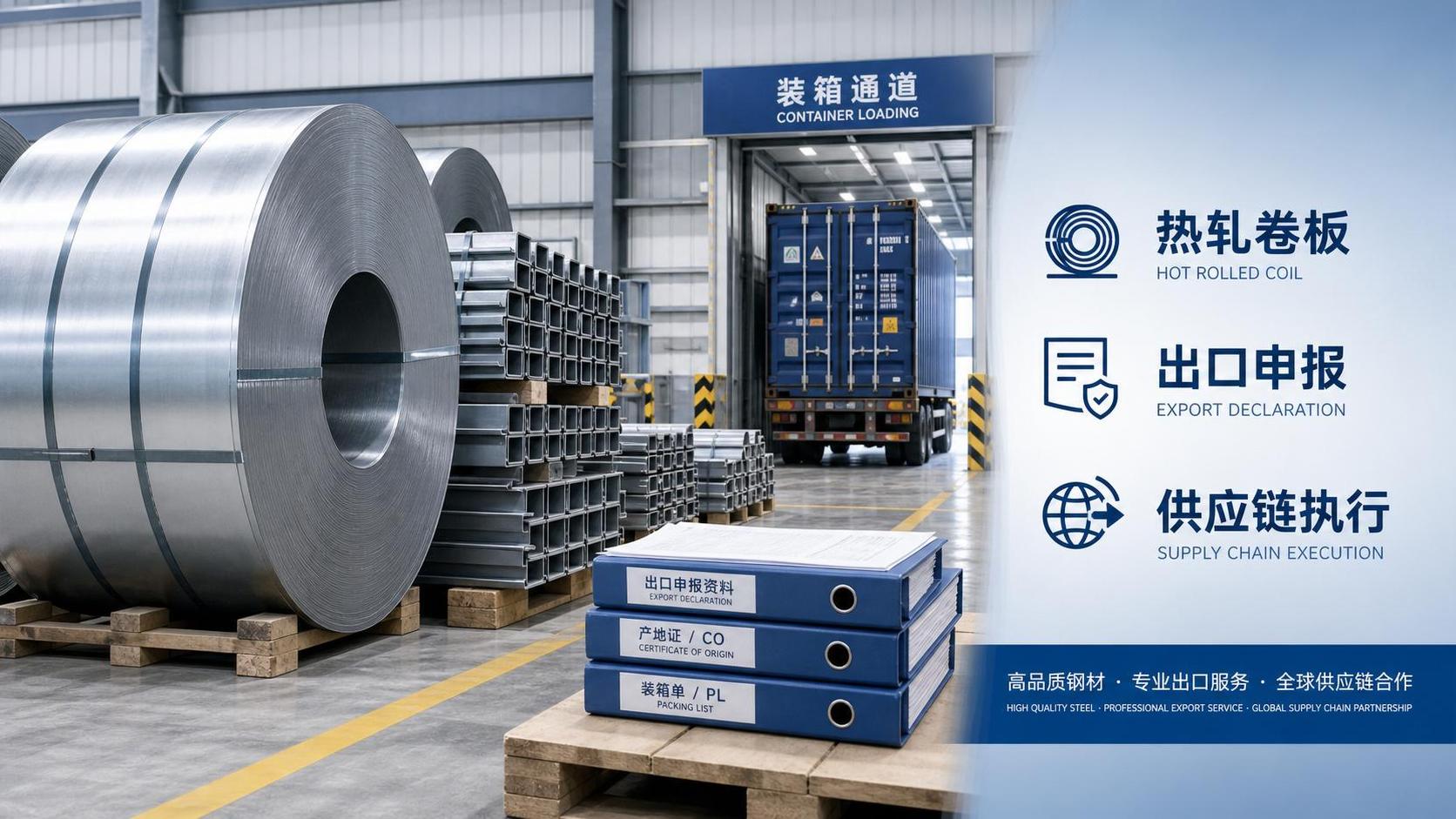
On July 13, 2026, the U.S. Department of Commerce announced the launch of an annual anti-dumping review covering hot-rolled steel coil from China under HS 7208/7211. The update matters because it does more than reopen an existing trade remedy process: it also brings three newly qualified Chinese exporters into the respondent pool and sets a near-term deadline of July 26 for full questionnaire submissions. For U.S. importers, North American distributors, manufacturers, and export-side suppliers, the development is relevant to customs timing, cash-flow planning around deposits, and the compliance setup behind longer-term purchasing arrangements.
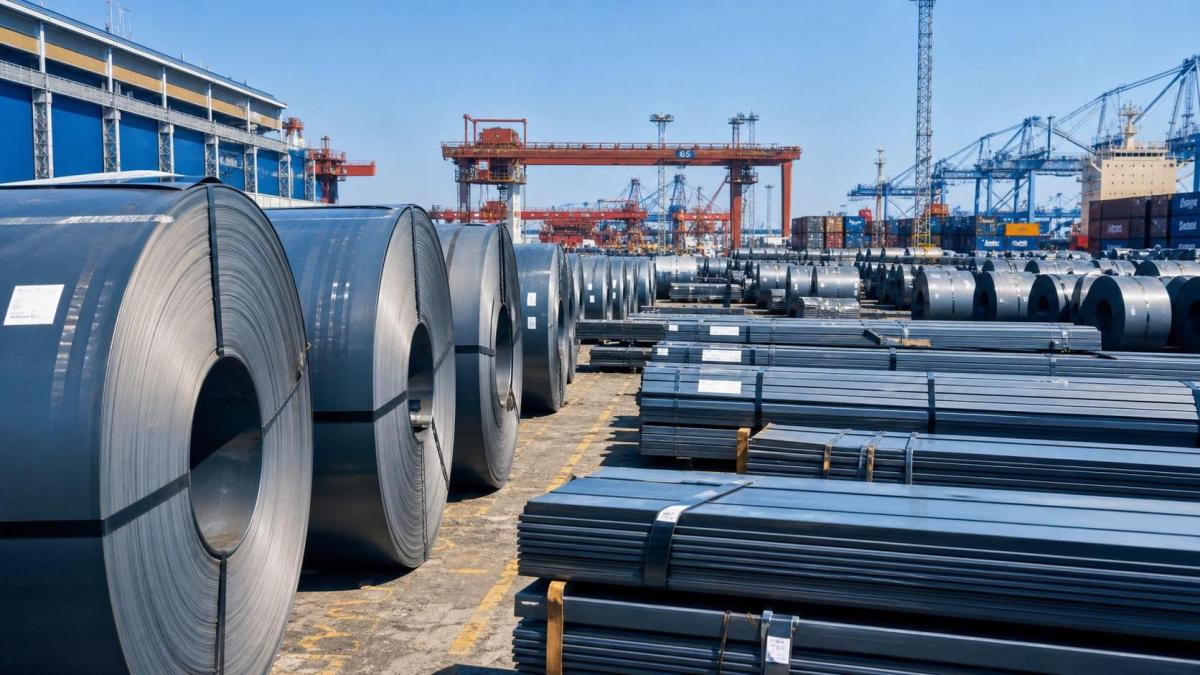
What the July 13 notice confirms
The confirmed facts are limited but commercially significant. The U.S. Department of Commerce announced on July 13, 2026 that it is initiating an annual anti-dumping review of hot-rolled steel coil from China, identified under HS 7208 and 7211. The notice newly includes three Chinese exporters that have obtained eligibility to participate as respondents. Those companies are required to submit complete responses by July 26. The event directly affects customs clearance timing for U.S. importers, deposit requirements, and longer-term procurement costs, with particular relevance for supply-chain compliance arrangements involving North American distributors and end manufacturers.
Where the operational pressure is likely to appear
Import-side trade execution may tighten first
From an industry perspective, U.S. importers are among the first parties likely to feel the effect because customs timing and deposit-related arrangements are explicitly implicated by the review. In practical terms, this means import teams need to pay closer attention to shipment documentation, supplier identity consistency, and transaction records that support customs handling. What deserves closer attention is whether existing import routines are aligned with the exporters now drawn into the respondent process.
Distributors may need to reassess inventory and contract assumptions
North American distributors are exposed because the review can influence the timing and cost assumptions behind inventory replenishment and forward sales. Analysis shows that even without a confirmed final outcome, a live review can affect how distributors frame quotations, lead-time commitments, and supplier selection. The immediate issue is less about a proven market shift and more about whether procurement and resale arrangements have enough compliance visibility to absorb possible administrative friction.
Manufacturers face procurement and delivery coordination risk
End manufacturers that rely on hot-rolled steel coil may need to revisit procurement sequencing, especially where imported material is tied to production schedules. Observably, the concern is not limited to price exposure; delivery timing, document readiness, and supplier qualification checks may also become more important. Buyers that depend on North American distribution channels should pay attention to whether their sourcing plans assume uninterrupted clearance and stable deposit-related conditions.
Chinese exporters and supply-chain service providers will need tighter response discipline
For exporters newly included in the respondent list, the July 26 questionnaire deadline makes document preparation an immediate operational issue. Analysis shows that supply-chain service providers supporting trade documentation, customs coordination, and order execution may also be affected because the review creates a more formal compliance environment around shipments associated with the product scope. This does not establish any final trade outcome, but it does increase the importance of document completeness and internal consistency.
What companies should monitor in the coming days
Questionnaire readiness and supporting records
Companies directly involved should focus on whether internal records are complete, traceable, and consistent across commercial documents. This includes the practical alignment of product scope references, exporter identity, shipment records, and transaction files used in trade compliance workflows. The input does not provide execution details beyond the filing requirement, so this should be treated as a near-term monitoring point rather than a confirmed enforcement result.
Procurement terms tied to timing and cost exposure
Importers, distributors, and manufacturers should review purchasing terms that are sensitive to customs timing, deposit obligations, or extended delivery cycles. What deserves closer attention is whether existing contracts, quotations, or replenishment plans assume stable import handling conditions that may now require closer review. This is especially relevant where procurement cycles are long or where inventory buffers are thin.
Supplier qualification and compliance communication
Analysis shows that supply-chain communication may become more important than usual, particularly between buyers, exporters, brokers, and logistics teams. Firms should verify how supplier status, respondent participation, and document responsibilities are being tracked internally. The current information does not confirm any revised rule text beyond the review initiation, so companies should avoid treating this as a settled compliance endpoint.
Follow-on official language and market practice
It is more appropriate to understand this stage as one that requires close attention to subsequent official wording and practical execution. Businesses should monitor whether later statements, filing developments, or trade administration practices affect customs handling, deposit treatment, or procurement assumptions. For manufacturers and distributors, changes in customer-facing lead times or bid terms may become an early sign of how the review is being absorbed operationally.
Why this looks more like an execution signal than a finished outcome
Observably, this development is best read as an execution-stage signal within an existing trade remedy framework rather than as a completed policy outcome. The inclusion of three newly qualified exporters and the short questionnaire deadline indicate that compliance activity now matters immediately for affected parties. At the same time, the available facts do not establish a final determination, a revised duty result, or a settled commercial impact. From an industry perspective, the key value of this update lies in showing where procedural pressure is building and which supply-chain participants need to respond first.
How the market should frame this update for now
The industry significance of this event lies in its direct connection to trade administration, customs handling, and purchasing discipline for hot-rolled steel coil linked to the U.S. market. Analysis shows that the most reasonable reading is neither to dismiss it as routine nor to overstate it as a completed market reset. It is more appropriate to understand this as a live regulatory and trade-compliance development with immediate procedural relevance and still-open downstream effects that require continued observation.
Basis of this article and what still needs verification
This article is based on the user-provided news title, event date, and event summary. For events of this kind, relevant source categories typically include official notices, releases from regulatory authorities, customs or trade-administration information, industry association updates, standard-setting documents, and reporting from established business or trade media. A specific official source link was not provided in the input, so the underlying notice and any subsequent procedural updates still need to be verified on an ongoing basis. Further observation should focus on later official wording, execution practice, procurement document changes, supply-chain feedback, and how affected companies implement their response obligations.
By clicking 'Allow All', you agree to the storage of cookies on your device to enhance site navigation, analyze site usage and assist with our marketing efforts. Coo Cookie Notice