


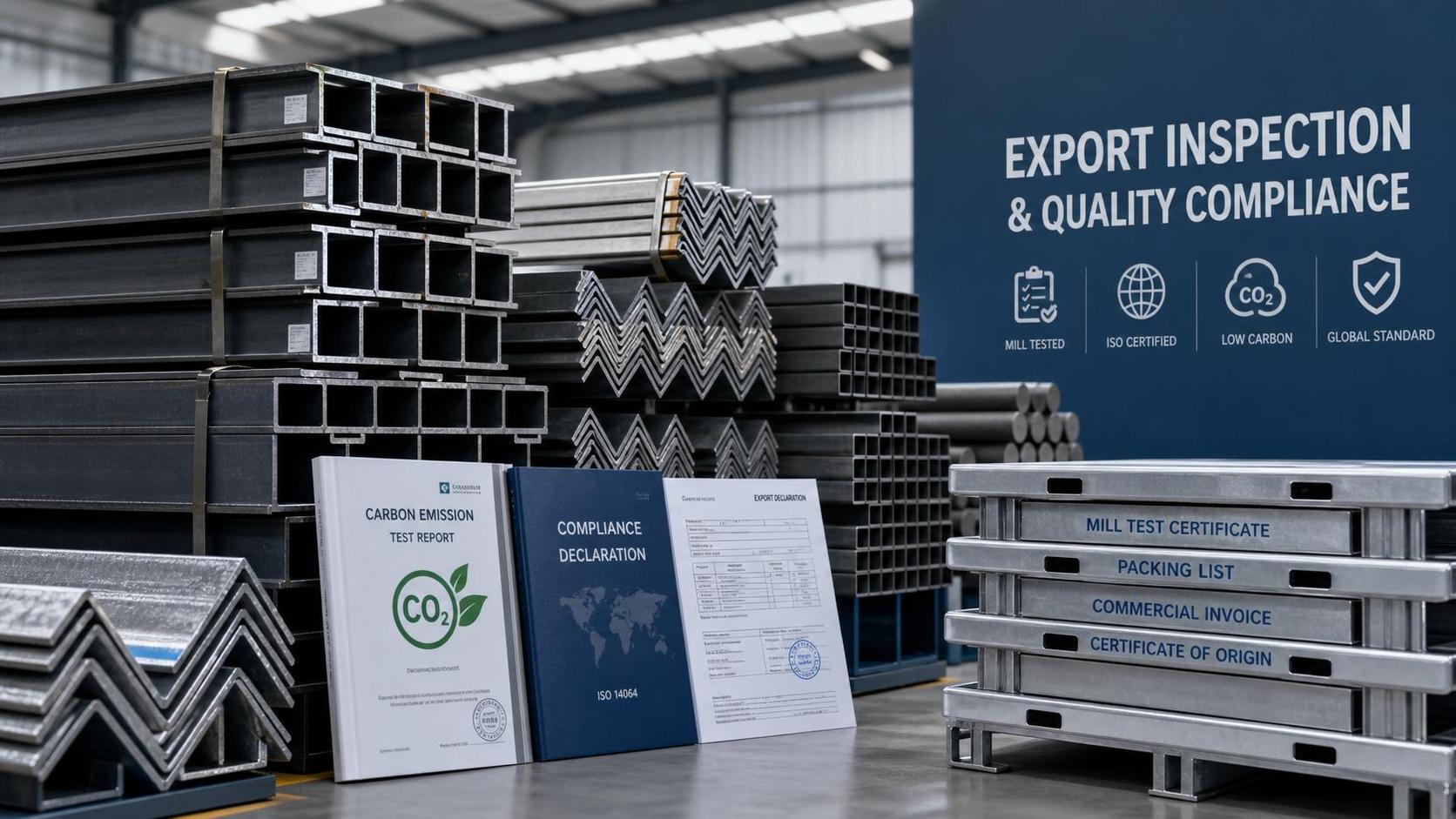
On July 14, 2026, the European Commission formally activated the CBAM full-cycle reporting system for steel products, making Q2 2026 embedded carbon data submission an immediate access requirement for third-country suppliers exporting hot-rolled sections, H-beams, angle steel, and related steel profiles to the EU. For Chinese export-oriented profile producers, this is not just a reporting update: it directly affects customs clearance timing, importer acceptance, compliance preparation, third-party verification arrangements, and the execution of downstream procurement contracts.
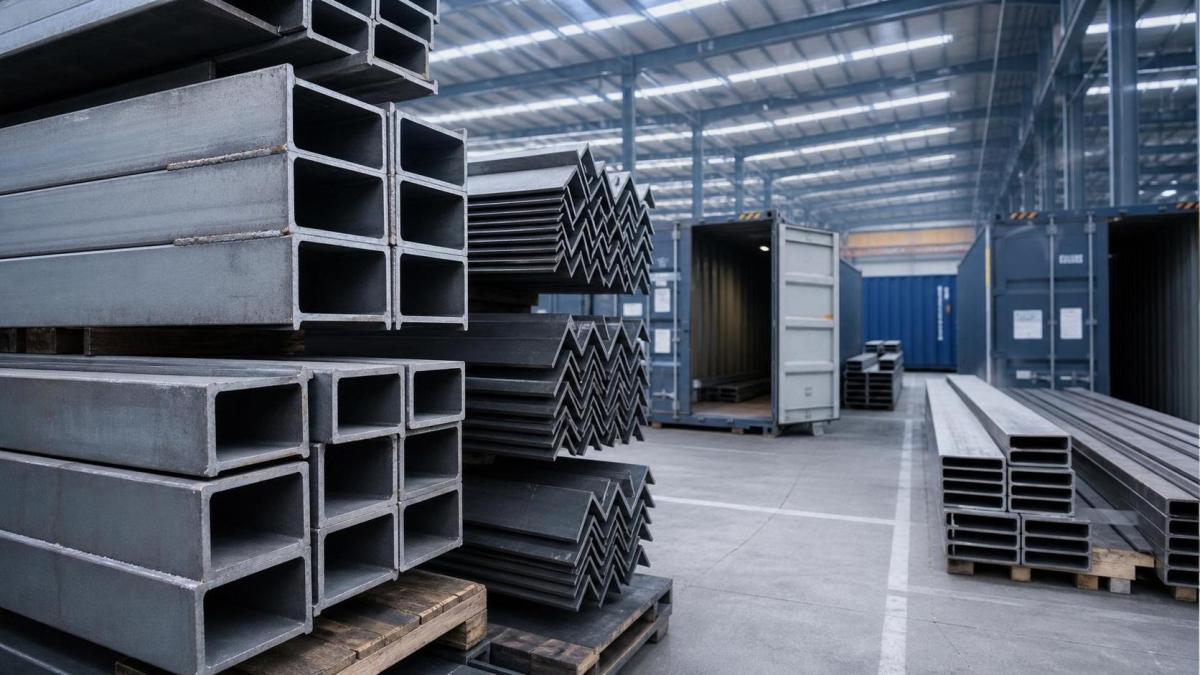
What Has Officially Taken Effect
According to the confirmed event information, the European Commission launched the CBAM full-cycle declaration system for steel products on July 14, 2026. The requirement applies to third-country suppliers exporting steel and profile products such as hot-rolled sections, H-beams, and angle steel to the EU.
From that date, suppliers are required to submit embedded carbon emissions data for products covering the second quarter of 2026. The filing is described as a mandatory pre-entry condition. The confirmed consequence of failing to submit on time is a risk of customs clearance delays and importer refusal to accept the goods.
The confirmed impact identified in the event summary is direct pressure on compliance preparation, third-party verification scheduling, and downstream procurement contract performance for Chinese exporters of steel and profile products to Europe.
Where Pressure May Appear Across the Supply Chain
Exporters face an immediate compliance gate
From an industry perspective, direct exporters are the first group affected because the filing is tied to market access rather than a back-end administrative step. The operational impact is likely to center on product-level emissions data readiness, submission timing, and alignment between shipment schedules and documentation completeness. What deserves closer attention is whether internal trade, quality, and compliance teams are working to the same reporting timetable.
Importers and buyers may tighten document checks
Analysis shows that EU-side importers and purchasing parties are also exposed, because the summary explicitly points to rejection risk if the filing is not completed on time. In practice, that can shift attention toward pre-shipment document review, supplier communication, and contract execution safeguards. Buyers are likely to focus on whether suppliers can provide usable embedded carbon data within the required timeframe.
Verification and service arrangements become more time-sensitive
Observably, third-party verification arrangements are one of the most immediate pressure points named in the event summary. That means service providers involved in emissions data review, compliance support, or filing coordination may see tighter lead times and less room for correction once shipments are close to dispatch. The business issue here is less about abstract policy interpretation and more about whether supporting evidence can be assembled in time for actual trade movement.
Downstream contract performance may come under review
From an industry perspective, the mention of downstream procurement contract performance suggests that the effect may extend beyond filing teams into commercial execution. If a shipment faces clearance delay or importer refusal, delivery timing and acceptance conditions may come into question. Companies with EU-linked supply commitments should therefore watch how reporting readiness interacts with agreed delivery windows and acceptance clauses.
What Companies Should Watch Now
Separate confirmed filing duties from broader assumptions
Analysis shows that the confirmed fact is narrow but material: Q2 2026 embedded carbon data must be submitted as a mandatory precondition for the covered steel exports. Companies should avoid expanding this into unverified assumptions, while still treating the filing itself as an immediate operational requirement.
Check which product flows are directly exposed
What deserves closer attention is the product scope explicitly referenced in the event summary, including hot-rolled sections, H-beams, angle steel, and related steel and profile exports to the EU. Businesses should review which active orders, delivery plans, and customer programs fall into this exposure window and whether the required data package is available for those transactions.
Align verification timing with shipment and customs milestones
Observably, the summary points directly to third-party verification arrangements, which makes timing a practical concern rather than a theoretical one. Companies should pay attention to whether internal data collection, external verification, and filing preparation are synchronized with customs and delivery deadlines, especially where contracts leave little tolerance for delay.
Review customer communication and contract execution terms
From an industry perspective, this development also raises a near-term communication issue. Suppliers and buyers may need clearer agreement on documentation responsibilities, submission status visibility, and the handling of delay or refusal scenarios. The event summary does not define new contract terms, but it does indicate that performance risk can move quickly from compliance teams into commercial relationships.
Why This Looks Like More Than a Routine Filing Update
Analysis shows that this development is best understood as an operational enforcement signal rather than a symbolic policy reminder. The key point is that embedded carbon reporting for covered steel exports is being tied to immediate market access conditions. That shifts the issue from medium-term policy tracking into day-to-day export execution.
At the same time, it is more appropriate to understand this as a development that still requires continued observation rather than a fully settled end-state for every business scenario. The confirmed facts establish the filing requirement, the timing, the covered product examples, and the risks of delay or refusal. How individual companies experience that pressure will depend on their order structure, verification readiness, and customer coordination, which are not defined in the input information.
How the Market May Need to Read This Stage
For the steel profile export trade, the immediate significance lies in execution discipline. The event indicates that compliance, verification, and delivery are becoming more tightly connected in EU-bound business for covered steel products. It does not by itself confirm wider market outcomes, but it does show that reporting readiness has become a practical condition for moving goods.
Current observation suggests this should be read as both a short-term operational change and a longer-term signal to watch. In the short term, the filing requirement can affect customs and acceptance. In the longer term, it points to a trade environment in which emissions data handling is increasingly embedded in transaction performance rather than treated as a parallel reporting task.
Basis of This Article and Ongoing Verification
This article is based on the user-provided news title, event date, and event summary concerning the July 14, 2026 launch of the European Commission's CBAM full-cycle reporting system for steel products and the requirement for Q2 2026 embedded carbon data submission by third-country suppliers exporting covered steel products to the EU.
For this type of industry update, commonly relevant source categories may include official announcements, corporate disclosures, industry association releases, authoritative media reporting, and standards-related documents. A specific official source link was not provided in the input, so the precise source documentation still needs continued verification. Follow-up attention should remain on any further official wording, implementation clarifications, and practical filing requirements affecting covered steel and profile exports.
By clicking 'Allow All', you agree to the storage of cookies on your device to enhance site navigation, analyze site usage and assist with our marketing efforts. Coo Cookie Notice