


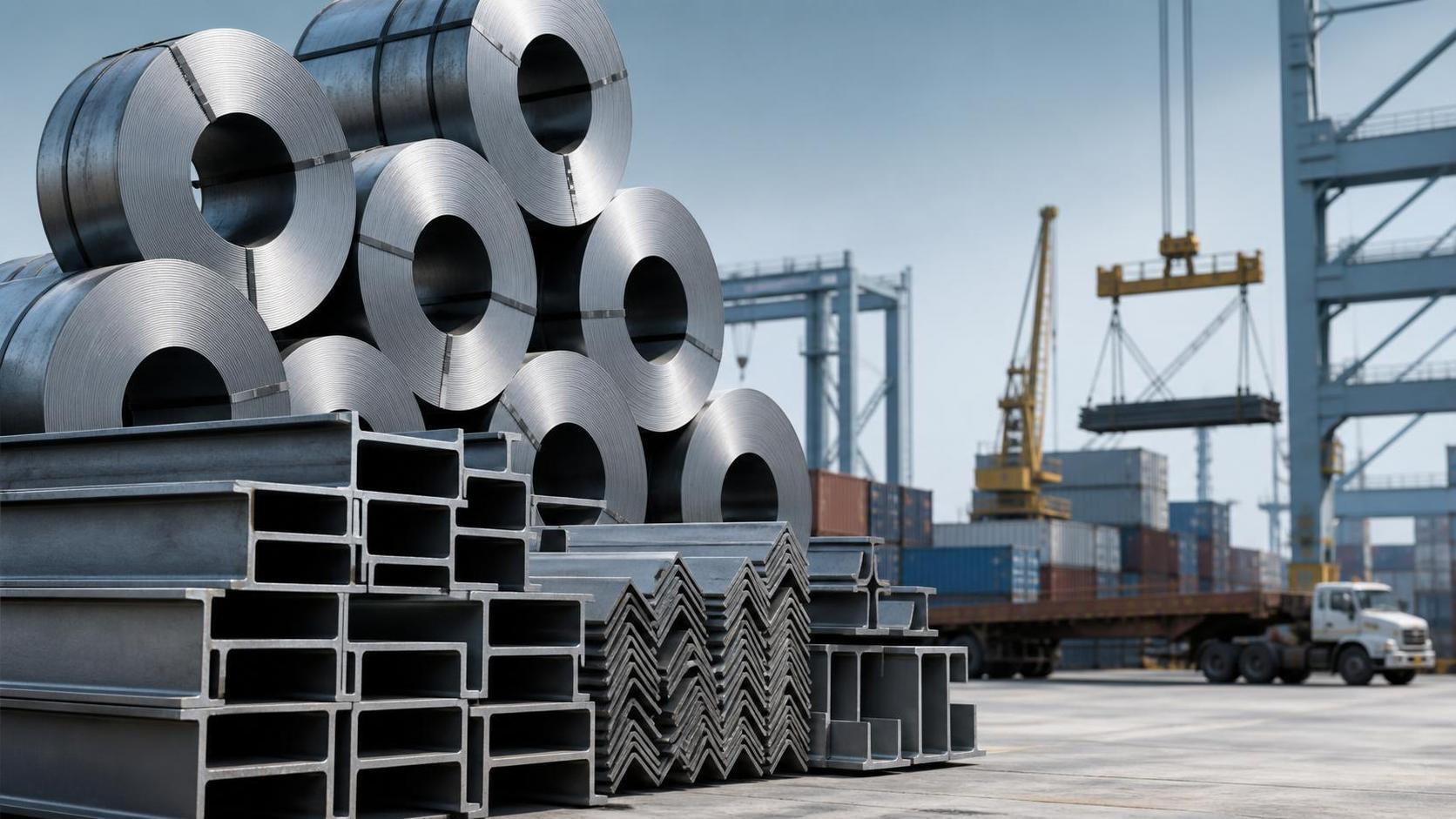
On August 10, 2026, the U.S. Department of Commerce opened an anti-circumvention investigation into whether hot-rolled steel coil exported from China to third countries including Vietnam, Malaysia, and Thailand is being routed through simple processing to avoid existing U.S. anti-dumping and countervailing measures on Chinese steel. For companies involved in steel sections, semi-finished profiles, cross-border sourcing, and customs clearance, this development is worth close attention because it reaches beyond raw coil and touches downstream products such as H-beams, angle steel, and channel steel that are made from Chinese-origin substrate and supplied through Southeast Asian trade channels.
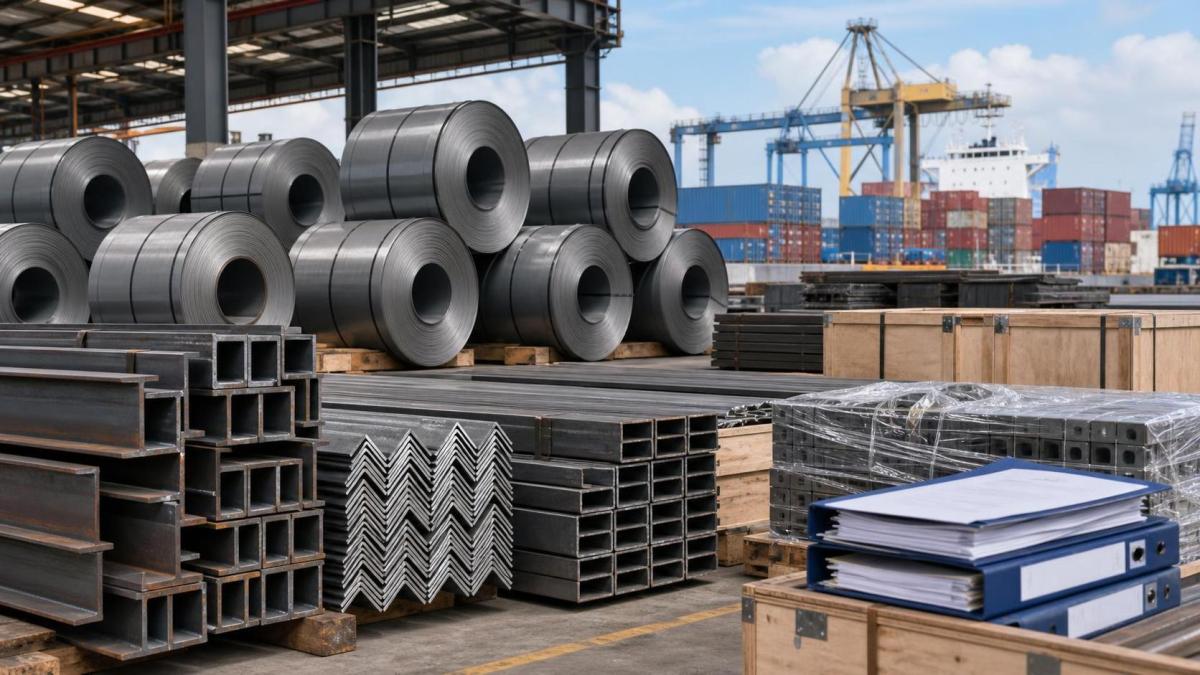
What the Investigation Covers
According to the information provided, the investigation was formally initiated by the U.S. Department of Commerce on August 10, 2026. The focus is whether Chinese hot-rolled coil exported to third countries including Vietnam, Malaysia, and Thailand undergoes simple processing there and is then used to circumvent U.S. anti-dumping and countervailing duties that apply to Chinese steel.
The scope described in the input extends to downstream semi-finished profile products, including H-beams, angle steel, and channel steel. The stated immediate point of impact is overseas importers that procure profile products through Southeast Asian transit or processing channels when those products are made from Chinese base material.
The input also states that if circumvention is ultimately found, the affected profile products could face retroactive duties and delays in import customs clearance.
Where the Pressure May Appear in the Supply Chain
Import sourcing through Southeast Asia faces closer scrutiny
From an industry perspective, overseas importers are likely to be the first group to feel operational pressure because the investigation directly addresses procurement routes that rely on Southeast Asian processing or transshipment of Chinese-origin hot-rolled coil. The main exposure lies in origin review, product classification, customs documentation, and landed-cost uncertainty.
Profile processors and manufacturers may face traceability demands
Analysis shows that processors and manufacturers producing H-beams, angle steel, channel steel, and related semi-finished sections may come under greater document and process review where Chinese substrate is involved. The practical issue is not only the product itself, but whether the level of processing can withstand scrutiny if authorities examine whether the trade flow amounts to circumvention.
Trading companies and distributors may see contract and delivery risk
For trading companies and distribution channels, the impact may appear in quotation validity, shipment planning, and customer communication. What deserves closer attention is that a case of this kind can affect purchasing decisions before any final finding is made, especially where buyers want clearer assurance on origin, processing history, and duty exposure.
Supply chain service providers may need tighter clearance preparation
Customs brokers, logistics providers, and other supply chain service firms may need to pay closer attention to supporting paperwork and shipment timelines. Observably, the stated risk of retroactive duties and customs delays means that service providers may need to prepare for longer review cycles and more detailed origin-related inquiries.
What Companies Should Watch Now
Follow official wording as the case develops
Companies involved in affected steel and profile categories should closely monitor how the U.S. Department of Commerce defines the products, processing activities, and country routes under review in later official communications. Analysis shows that the practical impact often depends on exact scope language rather than headline descriptions alone.
Recheck product and material traceability
For businesses sourcing profile products from Vietnam, Malaysia, Thailand, or similar channels, it is worth reviewing whether internal records can clearly show the origin of hot-rolled coil, the nature of downstream processing, and the consistency of related commercial and shipping documents. This matters because the issue described in the input centers on whether simple processing is being used to avoid existing duties.
Prepare for customs and duty contingencies
Importers and trade operators should evaluate the possibility of delayed clearance and additional duty exposure in ongoing or near-term transactions that involve the relevant product chain. What deserves closer attention is not only the final legal outcome, but also the operational disruption that can arise while a case is under review.
Align supplier communication with transaction risk
Companies purchasing affected products may need more direct communication with suppliers and intermediaries on substrate origin, production steps, and document completeness. From an industry perspective, this is a practical distinction between policy signal and execution risk: even before any determination, buyers may need stronger file readiness to support procurement and delivery decisions.
Why This Looks Like a Compliance Signal, Not Yet a Final Outcome
Observably, this development should be read first as an escalation in compliance risk around steel supply chains that involve Chinese-origin hot-rolled coil and Southeast Asian processing routes. It is more appropriate to understand this as an active regulatory signal rather than a settled trade outcome, because the input confirms the launch of an investigation, not a final finding.
Analysis shows that the significance of the case lies in its reach across product transformation and sourcing structure. The issue is no longer limited to direct exports of base steel alone; it also touches downstream profile products when authorities examine whether the processing performed in third countries is substantial or merely simple conversion for trade purposes. That is why the case matters to procurement, processing, and import compliance at the same time.
How the Market Should Read This Stage
At this stage, the most balanced reading is that the case raises the compliance threshold for steel section supply chains connected to Chinese hot-rolled coil, especially where Southeast Asian processing or transit is involved. It does not yet establish a final duty result, but it does create a clearer need for documentation discipline, supply chain visibility, and closer review of affected product flows.
From an industry perspective, this is better understood as a development that requires continued observation rather than a completed policy outcome. The immediate importance lies in risk preparation, while the ultimate commercial effect will depend on how the investigation proceeds and whether circumvention is ultimately found.
Basis of This Article and What Still Needs Verification
This article is based on the user-provided news title, event date, and event summary. The information available for this write-up states that the U.S. Department of Commerce opened the investigation on August 10, 2026, and that the case concerns possible circumvention involving Chinese hot-rolled coil processed in third countries including Vietnam, Malaysia, and Thailand, with implications for downstream profile products such as H-beams, angle steel, and channel steel.
For this type of industry development, relevant source categories typically include official government notices, company disclosures, industry association releases, authoritative media reporting, and trade or standards-related documents. A specific official source link was not provided in the input, so the precise source record still requires ongoing verification. The main points to watch next are any further official scope language, product coverage clarification, and procedural updates that may affect customs treatment and duty exposure.
By clicking 'Allow All', you agree to the storage of cookies on your device to enhance site navigation, analyze site usage and assist with our marketing efforts. Coo Cookie Notice