


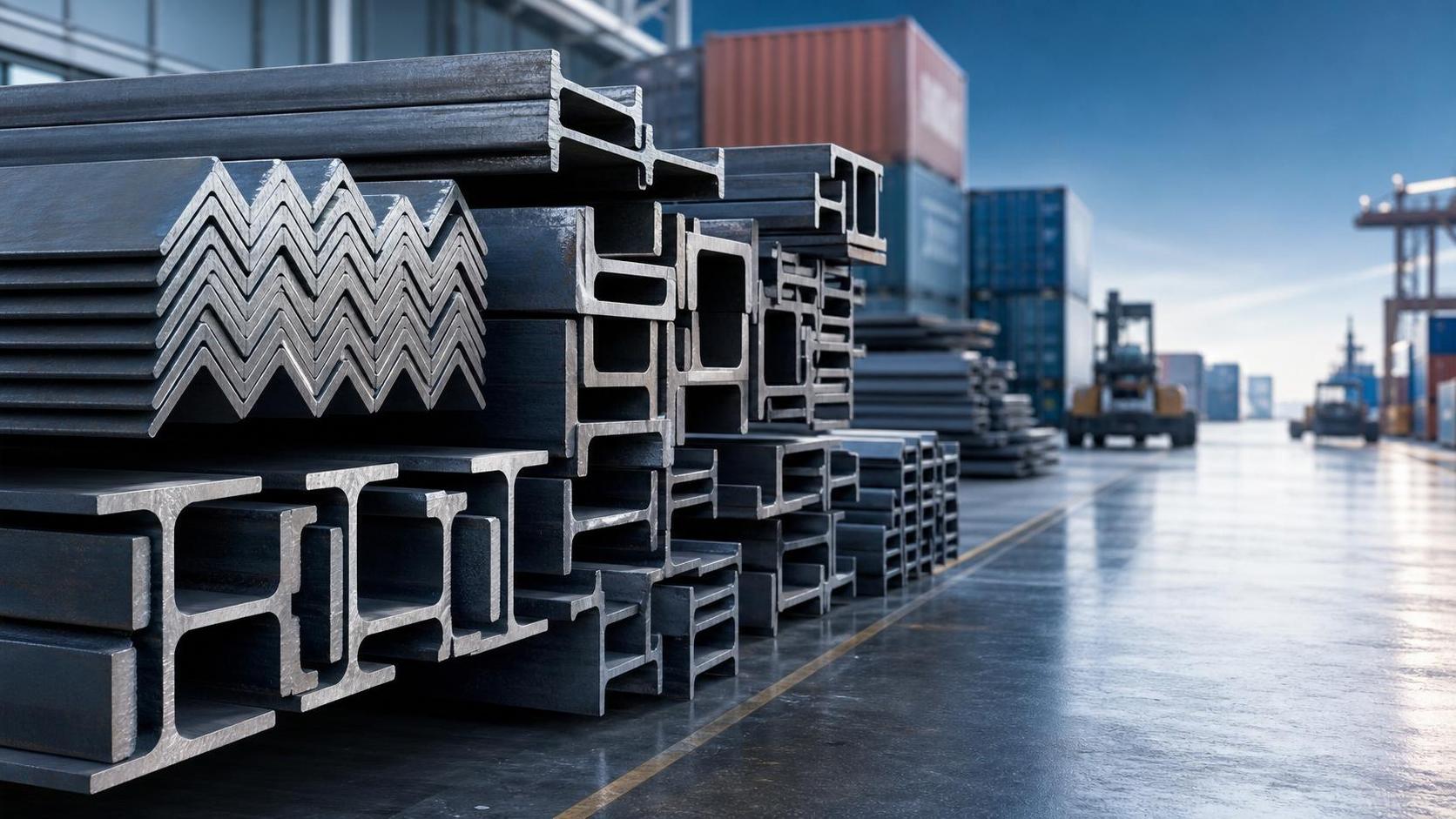
On July 11, 2026, the U.S. Department of Commerce formally opened a combined anti-dumping and countervailing investigation into hot-rolled carbon steel sections exported from China under HS codes 7216.10-7216.99. The case covers widely used structural products such as angles, channels, and I-beams, and it matters because it introduces a live trade-rule review that can affect customs cost exposure, purchasing timing, document preparation, and supplier assessment across import, distribution, and downstream project supply.
What has been formally put under review
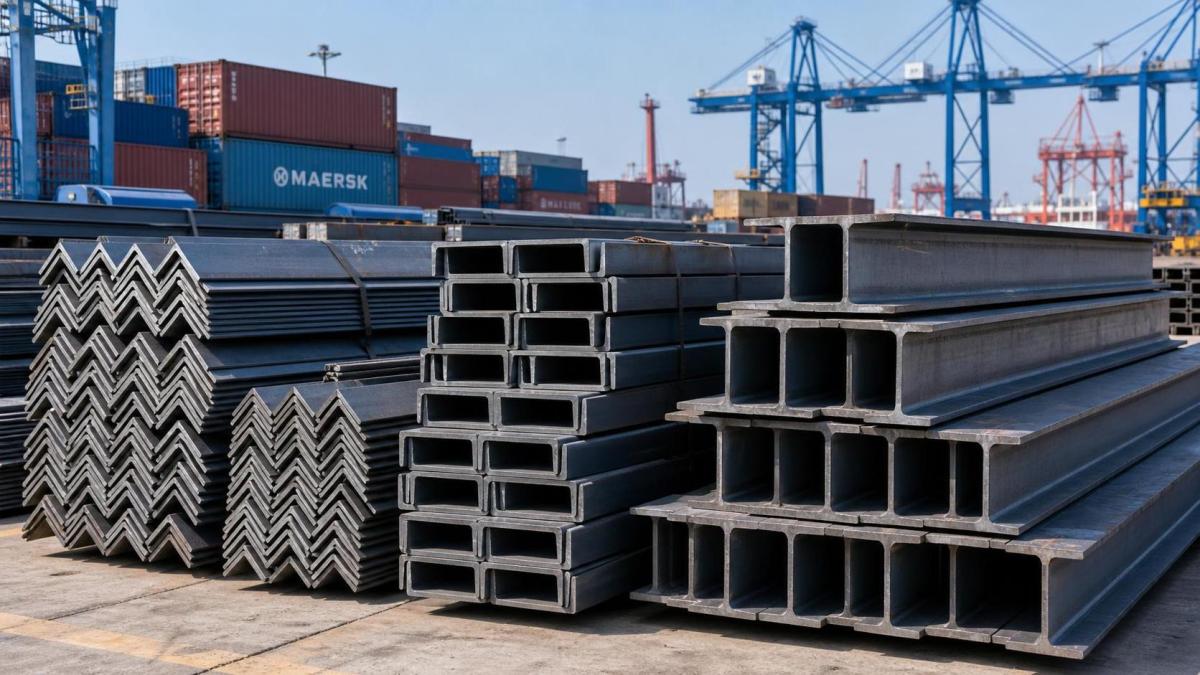
The confirmed facts are limited but commercially significant. The investigation was initiated on July 11, 2026 by the U.S. Department of Commerce and targets Chinese exports of hot-rolled carbon steel sections within HS 7216.10-7216.99. The scope described in the input includes mainstream structural section products such as angles, channels, and I-beams.
The investigation will assess both the level of dumping and the level of Chinese government subsidies. A preliminary determination is expected in November 2026. The input also indicates that the case directly affects customs clearance costs for U.S. importers, procurement lead times, and the preparation of compliance documents. Distributors are advised to begin reviewing supplier carbon-footprint information and cost composition.
Where the pressure is likely to appear first
Import and distribution decisions may tighten early
From an industry perspective, importers and distributors are the first group likely to feel the effect because the investigation directly touches landed cost assumptions and customs processing preparation. Their exposure is not only price-related. It also extends to how shipment timing, product classification, and supporting trade files are organized while the case is under review.
What deserves closer attention is the quality and readiness of shipment documentation tied to the covered HS range, as well as internal review of supplier declarations and commercial cost records. Even before any preliminary outcome is published, firms operating in this product line may need to reassess purchasing rhythm and inventory commitments.
Export-side suppliers may face deeper documentation requests
Chinese exporters and supplying mills may be affected through increased scrutiny of cost composition and subsidy-related information. Analysis shows that this is not just a pricing issue. It can also become a document-control issue, especially where buyers request clearer backup on production cost structure or environmental reporting inputs referenced in supplier reviews.
In practical terms, exporters may need to prepare for more detailed customer questions tied to product scope, cost build-up, and traceable support files. That does not establish a final compliance standard, but it does indicate a higher documentation burden in current transactions.
Project buyers and processors may need to revisit timing assumptions
Processors, fabricators, and procurement teams buying these structural sections for downstream use may be affected through longer decision cycles and more cautious sourcing. If importers delay commitments or request additional support documents, downstream delivery planning can also slow.
Observably, the immediate concern is less about a confirmed market outcome and more about operational timing: order placement, contract review, and document readiness may all require closer coordination where covered products are involved.
Practical issues companies should review now
Check whether product scope and documentation align
Companies handling covered steel sections should first confirm whether the products they buy, sell, process, or import fall within HS 7216.10-7216.99 as described in the input. This review should be matched against customs files, commercial documents, product descriptions, and technical records used in procurement or shipment handling.
Prepare for heavier support around cost and supplier records
Analysis shows that cost composition may become a more sensitive part of supplier review in this case. Businesses exposed to these products should examine whether supplier records are sufficiently organized to support customer, customs, or internal compliance review. The same applies to distributor-side file preparation where procurement decisions depend on defensible cost assumptions.
Do not ignore carbon-footprint verification requests
The input specifically recommends that distributors begin reviewing supplier carbon-footprint information. It is more appropriate to understand this as an early practical signal rather than a confirmed standalone rule outcome. Still, firms involved in sourcing and resale should be ready for environmental data requests to become part of supplier screening or transaction review.
Track the path to the preliminary determination
Because a preliminary determination is expected in November 2026, affected companies should keep a close watch on official wording, transaction handling expectations, and any change in customer documentation demands before that stage. Current planning should remain flexible, since the input does not provide final measures or a settled enforcement result.
Why this reads as an execution signal, not a final outcome
Analysis shows that this development is best read as a concrete enforcement-stage signal in trade administration rather than as a completed rule result. The case has already moved beyond speculation because a formal investigation has been opened, yet the commercial end state still depends on the review process and the preliminary determination expected later in 2026.
What deserves closer attention is how market participants respond before any preliminary finding is issued. Changes in document requests, supplier screening depth, and procurement caution can emerge earlier than final legal conclusions. For that reason, the industry should watch not only the investigation itself but also the practical interpretation appearing in transaction workflows.
How the market may need to frame this development
The industry significance of this case lies in its immediate effect on transaction discipline. It introduces a rule-driven review that can influence customs cost expectations, sourcing confidence, and document management for a clearly defined product group. At this stage, it would be premature to treat the case as a settled commercial outcome.
It is more appropriate to understand this development as an active trade-compliance event with near-term operational consequences and a still-open policy result. Companies tied to covered carbon steel sections should focus on scope review, supplier records, and timing sensitivity while continuing to monitor the next official stage.
Basis of this article and what still needs verification
This article is based on the user-provided news title, event date, and event summary. Typical source types for developments of this kind may include official notices, releases from regulatory authorities, customs or trade-administration information, industry association updates, standards-related documents, and reporting by established business media.
A specific official source link was not provided in the input, so the precise source record still needs to be verified on an ongoing basis. Observably, follow-up attention should remain on later official details, interpretation of compliance expectations, changes in tender or procurement documents, market feedback, and how affected companies adjust execution in practice.
By clicking 'Allow All', you agree to the storage of cookies on your device to enhance site navigation, analyze site usage and assist with our marketing efforts. Coo Cookie Notice