


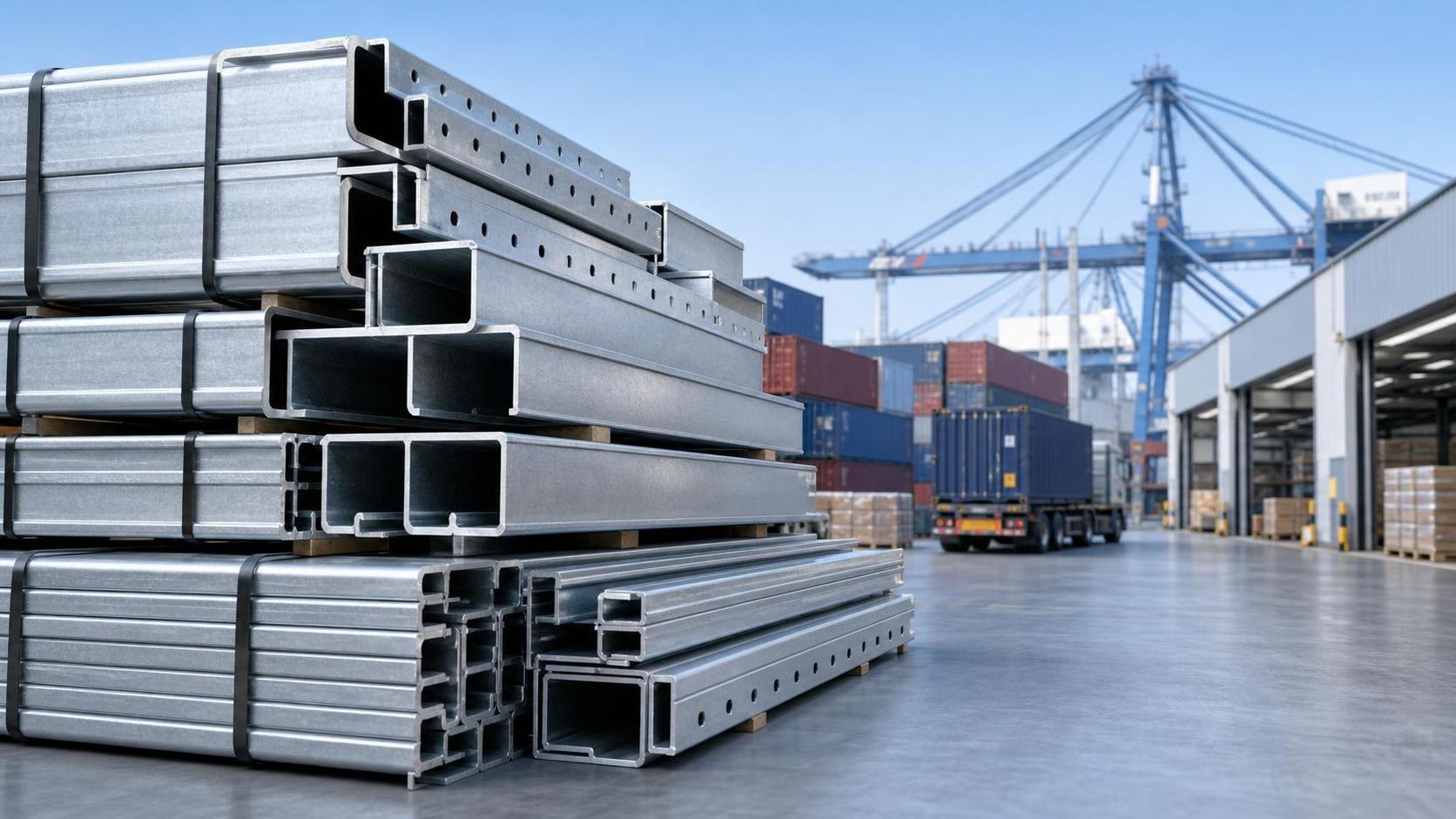
On July 24, 2026, the European Commission formally opened an anti-subsidy investigation into cold-formed steel products from China under HS code 730890. The move brings a clear trade compliance issue into focus for exporters, EU importers, distributors, and project-based buyers dealing in structural sections and building support components, because the inquiry is tied not only to pricing but also to subsidy review, customs treatment, and inventory planning across the supply chain.
What the Commission Has Formally Announced
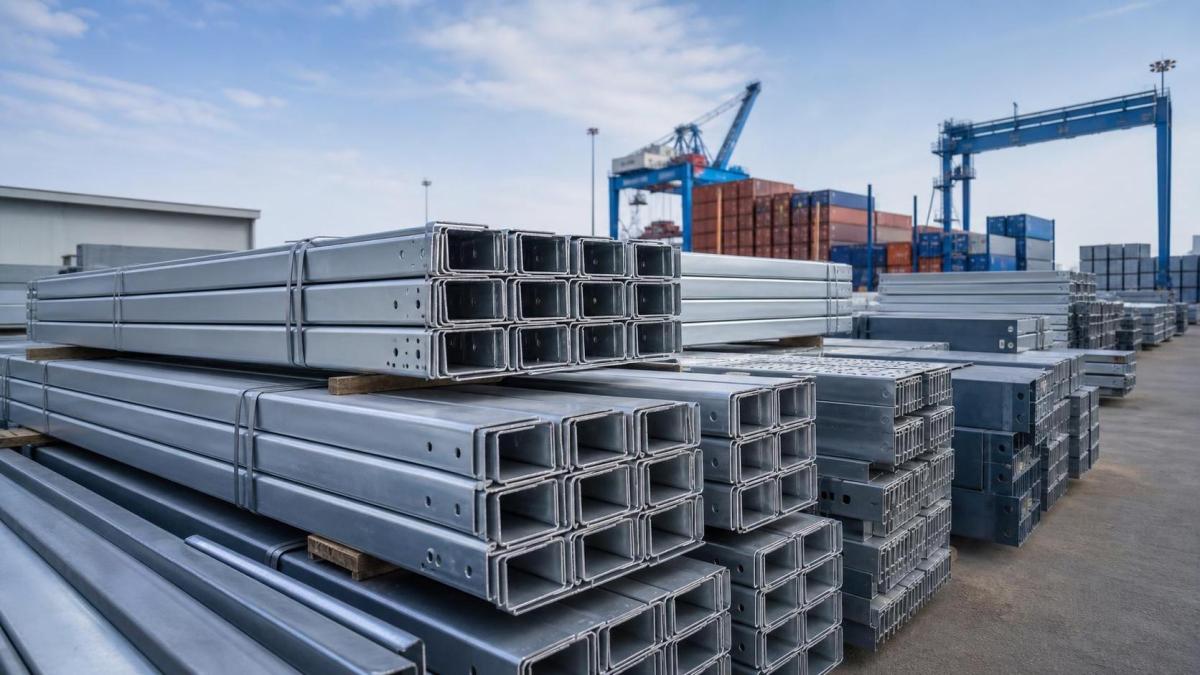
The confirmed facts are limited but commercially significant. The European Commission announced on July 24, 2026 that it has initiated an anti-subsidy investigation covering cold-formed steel products originating in China, including mainstream profile products such as structural sections and building support members exported to the EU under HS code 730890.
According to the provided event summary, the investigation will assess whether Chinese exporters benefited from local government subsidies, preferential energy pricing, and financing support. The same summary states that provisional countervailing duties could be imposed within 12 months. The action is described as having direct implications for procurement costs for EU importers, customs compliance requirements, and inventory strategy within distribution channels.
Where the Immediate Pressure May Appear in the Supply Chain
Import purchasing is likely to face a cost and documentation review
From an industry perspective, EU importers are among the first parties likely to feel the effect of this investigation because purchasing decisions for covered steel profiles may now need to account for possible duty exposure as well as closer customs scrutiny. What deserves closer attention is the link between landed cost calculations and compliance documentation, since procurement teams may need to review product classification, supplier declarations, and shipment files more carefully while the case develops.
Chinese exporters may face greater scrutiny beyond price terms
Analysis shows that the issue for exporters is not limited to sales competitiveness. The investigation specifically points to possible review of subsidy-related matters such as local support, energy pricing advantages, and financing conditions. That means exporters involved in the covered product scope should pay closer attention to the consistency of trade documents, commercial records, and any materials that could become relevant in demonstrating how products are priced and supplied to EU customers.
Distributors and stockholders may need to reassess inventory timing
Observably, distribution businesses and stockholding channels may be affected through inventory planning rather than through regulation alone. If the prospect of provisional countervailing duties changes expected import cost or clearance treatment, businesses holding or replenishing covered products may need to watch ordering cycles, warehouse exposure, and forward delivery commitments with more caution.
Project buyers may need to monitor delivery and tender assumptions
For buyers using these products in construction support or structural applications, the practical issue may be whether procurement assumptions remain valid during the investigation period. This is particularly relevant where supply contracts, bid documents, or delivery schedules rely on cost stability, fixed sourcing plans, or named suppliers for covered profile categories.
What Companies Should Watch While the Case Develops
Review product scope and customs classification carefully
Companies dealing in structural sections and building support components should closely review whether their products fall within the stated scope tied to HS code 730890. Where commercial descriptions, customs declarations, and technical documents are not aligned, the risk is not that a final outcome is already known, but that compliance handling may become more sensitive during customs clearance and internal review.
Prepare trade files that can withstand closer examination
Analysis shows that document quality may become more important across export and import operations. Businesses should pay attention to contracts, invoices, product specifications, shipment records, and supplier-related files that support consistent classification and transaction reporting. This is not a statement that new filing rules have already been imposed; it is a practical response to a trade investigation that may lead to heightened scrutiny.
Recheck procurement plans and delivery commitments
What deserves closer attention is the possibility that provisional duties, if imposed within the stated timeframe, could affect purchasing budgets and delivery economics before long-term sourcing plans are fully adjusted. Importers, distributors, and project buyers may therefore need to review order timing, pricing assumptions, and contractual flexibility in ongoing procurement arrangements.
Watch for changes in official wording and market practice
Because the input does not provide detailed enforcement language beyond the launch of the investigation and the possible duty timeline, companies should treat this as a developing compliance and trade matter rather than a settled outcome. The most relevant areas to monitor are future official statements, customs handling practice, tender wording, and how market participants adjust sourcing and stock decisions.
Why This Matters More as a Trade Signal Than a Final Result
Observably, this development is more appropriate to understand as an execution signal than as a completed rule change. The investigation has already been launched, so the trade compliance issue is real and current. At the same time, the final commercial effect still depends on how the investigation proceeds, whether provisional duties are applied, and how importers, exporters, and distributors respond in practice.
From an industry perspective, the importance of this case lies in the way trade remedy actions can quickly move from legal procedure into day-to-day procurement, customs preparation, and stock management. That is why the announcement deserves attention now even though the eventual duty outcome is not yet confirmed in the provided information.
How the Market Should Read the Current Stage
At this stage, the case should be read as a live regulatory and trade development with immediate planning relevance, not as a completed market outcome. The confirmed change is the start of the anti-subsidy investigation by the European Commission on July 24, 2026. Analysis shows that the most reasonable response for affected businesses is to strengthen document readiness, review sourcing and delivery exposure, and continue watching for further official clarification rather than assume either disruption or resolution in advance.
Basis of This Article and What Still Needs Verification
This article is generated from the user-provided news title, event date, and event summary. For events of this kind, relevant source categories usually include official announcements, releases from regulatory authorities, customs or trade administration information, industry association updates, standard-setting documents, and reporting from authoritative trade media.
No specific official source link was provided in the input, so the exact official publication should still be verified on an ongoing basis. It also remains necessary to monitor later policy detail, enforcement language, customs practice, tender document changes, market feedback, and how affected companies actually implement compliance and sourcing adjustments.
By clicking 'Allow All', you agree to the storage of cookies on your device to enhance site navigation, analyze site usage and assist with our marketing efforts. Coo Cookie Notice