


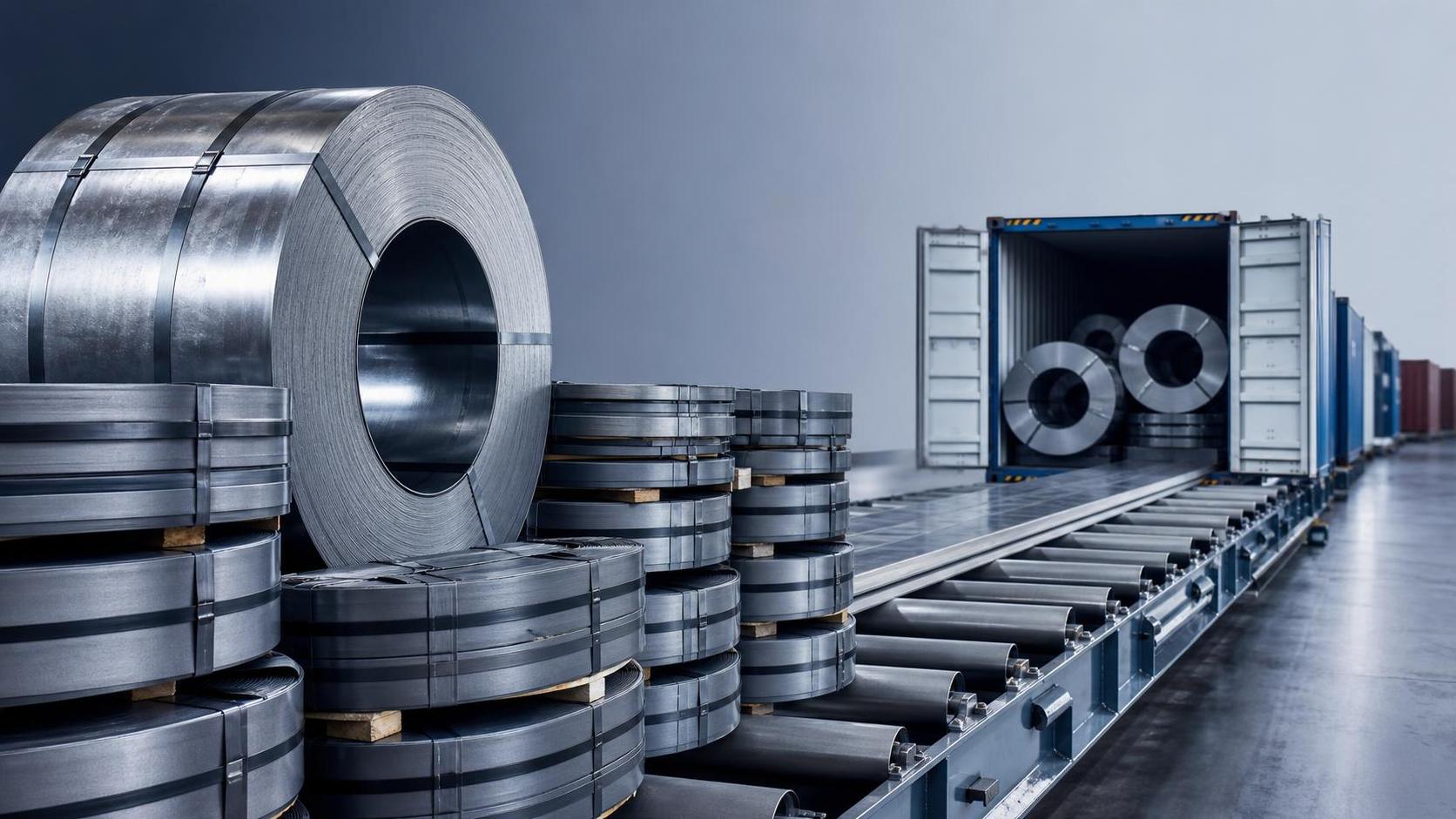
On July 25, 2026, the U.S. Department of Commerce formally opened a combined anti-dumping and countervailing investigation into hot-rolled strip steel exported from China, including products under HS 7208/7211 and related classifications. Because these materials are widely used in automotive structural parts, appliance casings, and substrate for construction profiles, the case is worth close attention not only from Chinese steel exporters, but also from U.S. importers, downstream manufacturers, and supply-chain service providers that depend on stable customs clearance, origin documentation, and workable pricing structures.

What Has Been Confirmed So Far
The confirmed facts are limited but commercially significant. The U.S. Department of Commerce initiated the case on July 25, 2026, and the action covers both anti-dumping and countervailing elements in one investigation targeting hot-rolled strip steel exports from China. The products involved include goods classified under HS 7208/7211 and similar categories.
The products named in the case have broad industrial use. According to the provided information, they are commonly applied in automotive structural components, outer shells for home appliances, and base material for construction profiles. The same information also indicates that the investigation will directly affect U.S. market access for Chinese steel exporters, customs-compliance requirements, and pricing strategy, while importers will need to reassess supplier qualifications, certificates of origin, and available room for cost pass-through.
Where Pressure May Appear Along the Chain
Export sales are likely to face immediate market-access questions
From an industry perspective, companies directly exporting the covered steel products may be the first to feel the impact because the investigation is tied to continued access to the U.S. market. The main pressure points are likely to be quote preparation, transaction timing, and the supporting documentation required for shipments connected to the U.S. market.
Import-side compliance may become more document-driven
U.S. importers and trading intermediaries may be affected through customs handling and supplier review. Based on the provided information, origin proof and supplier qualification checks deserve closer attention. In practical terms, this means import-side participants may need to look more carefully at whether existing document packages and supplier records can support ongoing transactions under a stricter review environment.
Downstream manufacturers may need to revisit sourcing assumptions
Manufacturers using hot-rolled strip in automotive parts, appliance housings, or construction-profile inputs may not be the formal target of the case, but they can still be affected through supply continuity and pricing changes. Observably, the issue is not limited to raw steel trade; it may also shape procurement timing, supplier substitution discussions, and margin assumptions in downstream production.
Service providers may see more demand for verification and coordination
Logistics providers, customs brokers, and related service firms may face a higher burden in transaction review and document coordination. The likely area of impact is not product demand itself, but the operational detail around shipment preparation, origin-related checks, and communication between exporters, importers, and end users.
What Companies Should Watch Next
Official wording and procedural developments
Analysis shows that companies involved in the covered trade should pay close attention to how the case is described in subsequent official communications. The opening of an investigation is a defined procedural step, but businesses still need to distinguish between the fact of initiation and later developments that may affect execution, documentation, or transaction planning.
Product scope and transaction mapping
What deserves closer attention is whether current shipments, orders, or quotations fall within the product categories already identified, including HS 7208/7211 and related goods. For exporters and importers, this is a practical review point because pricing, customs preparation, and client communication all depend on whether a transaction is exposed to the case.
Origin records and supplier qualification files
The provided information specifically points to supplier qualifications and certificates of origin as key areas for reassessment. Companies engaged in cross-border transactions should therefore focus on the completeness and consistency of core records, especially where multiple entities or processing stages are involved in the supply chain.
Pricing discipline and customer communication
Observably, quotation strategy is likely to become more sensitive in the near term. This does not establish a final market outcome, but it does suggest that exporters, importers, and procurement teams should prepare for more cautious price discussions, internal cost reviews, and clearer communication with customers about compliance-related uncertainties.
Why This Reads as a Signal, Not a Final Outcome
Analysis shows that this development should currently be understood as an active trade case rather than a settled result. The formal opening of a combined anti-dumping and countervailing investigation is meaningful because it changes the compliance and commercial environment around covered products, yet it does not by itself establish a final conclusion for market participants.
From an industry perspective, the stronger signal lies in how quickly affected businesses may need to shift from routine trade execution to evidence-based risk review. The immediate issue is less about broad speculation and more about whether companies can accurately identify exposure, verify documentation, and adjust commercial assumptions while the case continues to develop.
How to Read the Current Stage
At this stage, it is more appropriate to understand the July 25, 2026 filing as a near-term operational change with possible longer-term implications, rather than as a completed market outcome. The event matters because it reaches across export access, import compliance, and downstream sourcing decisions at the same time. A neutral reading is that the case has already become relevant to day-to-day business decisions, while the full commercial effect still requires continued observation.
Basis of This Article
This article is based on the user-provided news title, event date, and event summary concerning the U.S. Department of Commerce investigation opened on July 25, 2026. No specific official source link was provided in the input, so the exact official release link remains to be verified on an ongoing basis.
For this type of industry development, source categories that are commonly relevant include official government notices, company disclosures, industry association updates, authoritative media coverage, and standard-setting or customs-related documentation. The areas that still warrant follow-up are subsequent official wording, procedural developments, and any further clarification affecting product scope, compliance requirements, and transaction execution.
By clicking 'Allow All', you agree to the storage of cookies on your device to enhance site navigation, analyze site usage and assist with our marketing efforts. Coo Cookie Notice