


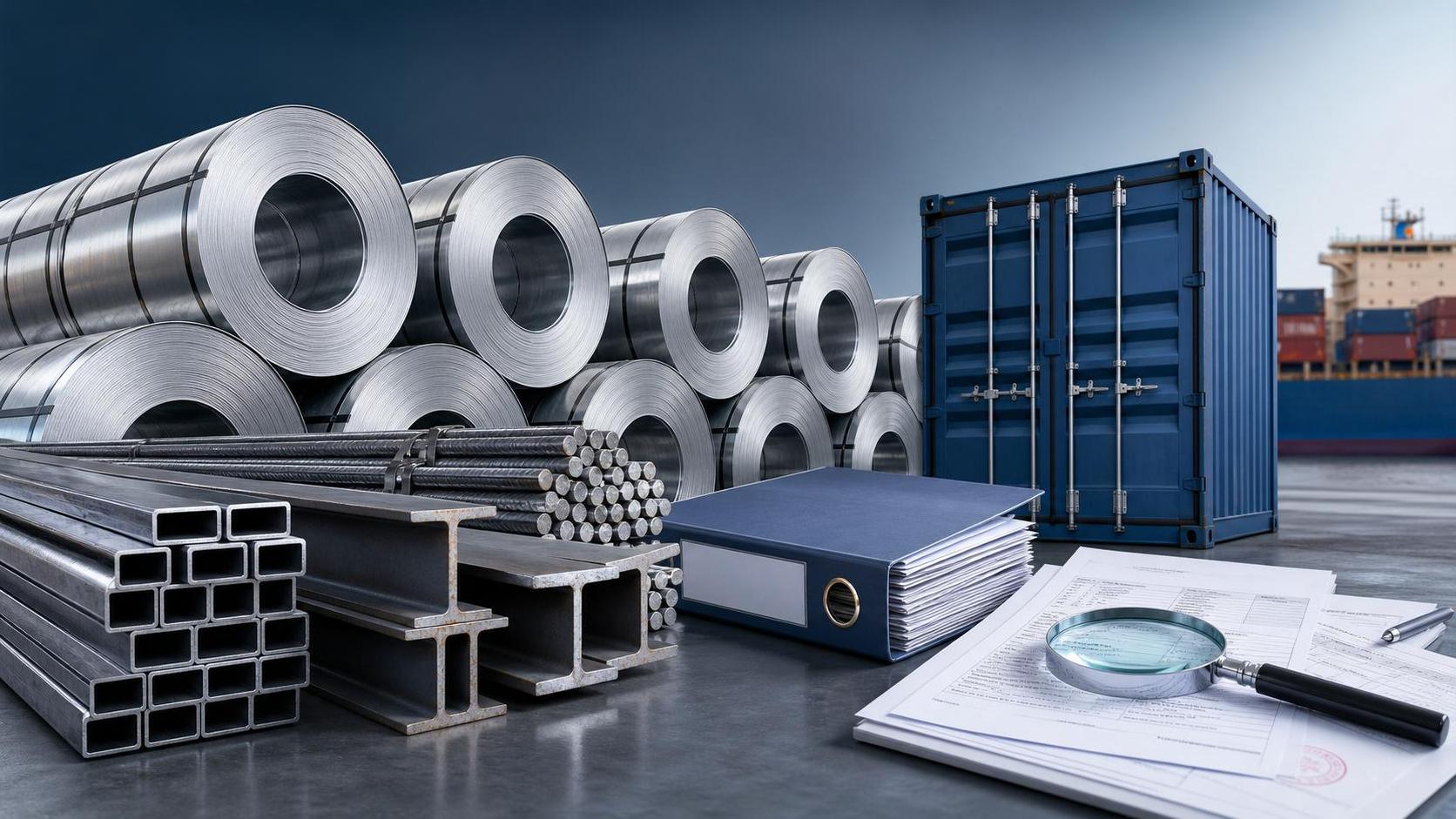
On July 19, 2026, the U.S. Department of Commerce announced the start of an administrative review of the anti-dumping order covering hot-rolled steel coils from China. The review applies to export shipments made between April 1, 2025 and March 31, 2026, making it immediately relevant for U.S. importers, Chinese exporters, trading firms, and supply chain service providers involved in customs clearance, cash deposit planning, procurement timing, and document control for products including ASTM A656 and ASTM A1011 grades.
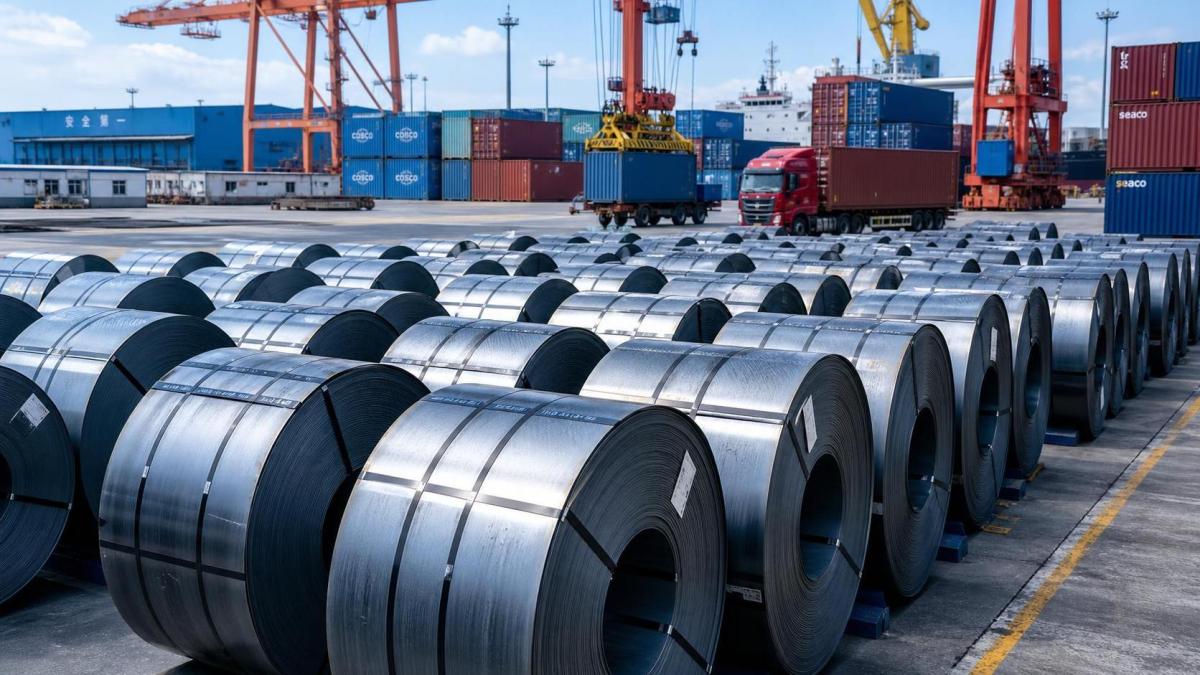
What the announced review covers
The confirmed development is that the U.S. Department of Commerce formally opened an anti-dumping administrative review on Chinese HR Coils on July 19, 2026. The scope identified in the provided information covers export batches shipped from April 1, 2025 through March 31, 2026.
The provided summary also makes clear that the review is expected to affect U.S. importers' customs clearance costs, deposit obligations, and later purchasing decisions. It further highlights compliance documentation and proof-of-origin requirements for commonly traded specifications such as ASTM A656 and ASTM A1011.
Where the pressure may appear across the supply chain
Import-side trading decisions may become more cautious
From an industry perspective, U.S. importers and direct trading companies are among the first groups likely to feel the effect of the review because customs-related cost assumptions and deposit arrangements can affect landed cost calculations. What deserves closer attention is whether current and pending transactions tied to the review period have complete supporting documents that align with product grade, shipment timing, and origin claims.
Document-sensitive product categories face tighter scrutiny
Analysis shows that suppliers and buyers handling mainstream specification products such as ASTM A656 and ASTM A1011 may face added operational pressure in documentation review. The immediate business impact is less about product demand in the abstract and more about whether technical files, origin records, and shipment paperwork can support smooth clearance and internal risk review.
Logistics and customs service providers may see higher verification workload
For brokers, compliance teams, and other supply chain service providers, the review may translate into more detailed checking of declarations and shipment files. Observably, this kind of development tends to matter at the execution level: whether entries are filed consistently, whether records can be retrieved quickly, and whether communication between exporter, importer, and service partner is aligned.
Procurement and downstream planning may pause for reassessment
Buyers and downstream manufacturing users are not identified in the source as directly subject to the review outcome, but they may still be affected through procurement timing, supplier selection, and delivery risk assessment. The practical issue for these companies is whether sourcing plans involving Chinese HR Coils require additional review before new orders are placed or existing supply commitments are extended.
What companies should watch now
Keep the review period tied to transaction records
Companies involved in covered shipments should map internal records to the stated review window of April 1, 2025 to March 31, 2026. This matters because transaction matching, product classification, and shipment traceability are likely to influence how businesses assess exposure and prepare for follow-up requests.
Check compliance files for mainstream grades
What deserves closer attention is the completeness of compliance documents for ASTM A656 and ASTM A1011 products referenced in the provided information. Businesses should pay particular attention to whether specification records, origin evidence, and shipment documents are consistent across contracts, invoices, and customs-related files.
Separate policy signal from immediate operational impact
Analysis shows that the announcement itself is a procedural development, while the business effect may emerge through customs cost assumptions, deposit planning, and procurement adjustments. Companies should avoid treating the announcement as a final commercial outcome, but they also should not ignore its immediate operational consequences for active or recently completed trade flows.
Align supplier communication with execution planning
Exporters, importers, and service partners may need tighter coordination on document readiness, delivery sequencing, and customer communication. In practice, businesses should focus on whether counterparties can provide timely supporting records and whether internal teams are working from the same understanding of product scope and origin-related requirements.
Why this is a signal worth monitoring
Observably, this development is better understood as an active trade-compliance signal rather than a completed market result. The confirmed fact is the launch of the administrative review; the broader commercial consequences still depend on how the process develops and how market participants respond in documentation, customs handling, and sourcing decisions.
From an industry perspective, the importance of this announcement lies in its ability to affect routine operating decisions before any broader conclusion is drawn. It is more appropriate to understand this as a development that requires continued observation, especially for businesses exposed to U.S.-bound HR Coil shipments within the stated period.
How the market should read the latest move
The July 19, 2026 announcement matters because it places Chinese hot-rolled coil trade into a more review-driven operating environment for the covered shipment period. The immediate relevance is practical: customs cost management, cash deposit planning, document integrity, and procurement discipline.
Analysis shows that this is neither a minor procedural footnote nor a basis for overstating long-term market conclusions. At this stage, it is more appropriate to read the development as a near-term compliance and transaction management issue with broader implications that still need to be tracked.
Basis of this article and points for verification
This article is based on the user-provided news title, event date, and event summary regarding the U.S. Department of Commerce's launch of an anti-dumping administrative review on Chinese hot-rolled steel coils. For developments of this type, relevant source categories typically include official government notices, company disclosures, industry association updates, authoritative media reporting, and standard-related documentation.
A specific official source link was not provided in the input, so the exact source document still requires follow-up verification. Continued attention should be paid to any later official wording, procedural updates, and document-related requirements that could affect customs clearance, deposit obligations, and purchasing decisions.
By clicking 'Allow All', you agree to the storage of cookies on your device to enhance site navigation, analyze site usage and assist with our marketing efforts. Coo Cookie Notice