



On June 29, 2026, the U.S. Department of Commerce announced the start of an annual administrative review of the antidumping duty order on galvanized steel sheet from China, including structural galvanized sections. The review covers exports shipped between April 1, 2025 and March 31, 2026, and is already relevant to exporters, U.S. importers, customs clearance teams, and supply chain coordinators because it will affect the final antidumping duty rate applied in U.S. entry procedures and raise documentation demands for shipments arriving from July.
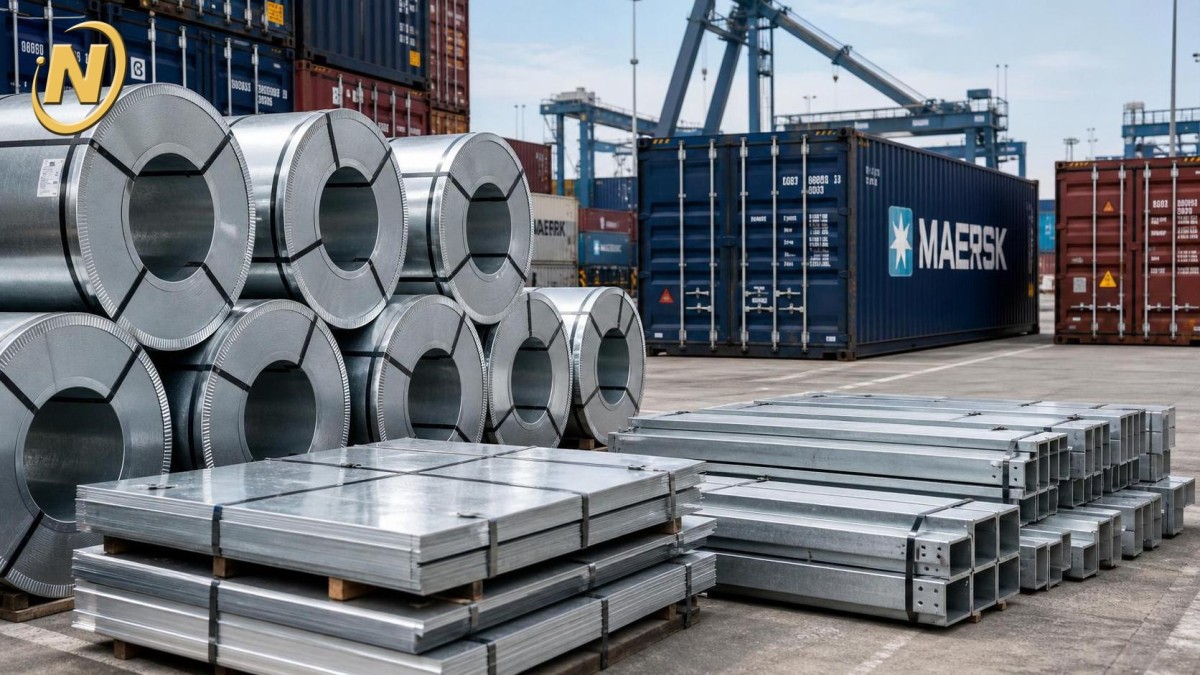
What the June 29 notice confirms
The confirmed fact is that the U.S. Department of Commerce has initiated an annual administrative review, or AAR, for galvanized steel sheet originating in China, with structural galvanized profiles included in scope. The review period identified in the notice runs from April 1, 2025 to March 31, 2026.
The notice also means that affected companies may be required to submit complete supporting records for export transactions, costs, and sales. According to the provided event summary, the outcome of this review will directly affect the final antidumping duty rate that exporters face in U.S. customs clearance.
For overseas importers, the immediate confirmed concern is operational rather than theoretical: newly arrived cargo from July may face additional duty exposure, customs delays, and upgraded compliance document requirements.
Where the pressure is likely to appear first
Export-side filing and rate exposure
From an industry perspective, direct trading companies and exporting manufacturers are the first group likely to feel the effect because the review is tied to final antidumping duty treatment in the U.S. market. Their exposure is concentrated in transaction records, cost evidence, sales documentation, and consistency across submitted materials.
What deserves closer attention is not only the rate outcome itself, but also whether internal records can support the declared trade flow without gaps. In practice, documentation quality becomes part of the business risk once a review is underway.
Importer-side customs and landed-cost uncertainty
For overseas importers and purchasing entities, the issue is the possibility of additional duty payments and slower customs handling for cargo arriving from July. The impact is likely to show up in landed-cost calculations, entry timing, and communication with customs brokers or internal compliance teams.
Observably, this does not automatically establish a final result for every shipment, but it does introduce a near-term risk window for import planning and clearance execution.
Supply chain service providers and delivery coordination
Logistics providers, customs service teams, and other supply chain intermediaries may also be affected because more complete compliance files can change the pace of document handoff and clearance preparation. The operational pressure point is whether shipping, customs, and commercial records align well enough to avoid preventable delays.
For channel partners and downstream manufacturing users, the concern is less about the legal review itself and more about timing, delivery reliability, and cost pass-through risk if clearance becomes slower or duty exposure changes.
What companies should watch now
Track the exact scope of affected shipments
Companies with relevant exports or imports should focus first on whether their goods fall within the review scope described in the notice and whether the shipment dates match the stated review period of April 1, 2025 through March 31, 2026. This is a practical starting point for assessing exposure.
Prepare transaction, cost, and sales records early
Analysis shows that record completeness is one of the most immediate operational issues in this type of review. Exporters should pay close attention to whether trade documents, cost materials, and sales evidence are internally consistent and can be retrieved without delay.
Separate policy language from shipment execution risk
It is more appropriate to understand this as both a policy process and a customs execution issue. The formal review itself is one layer, but the business impact may appear earlier in shipment handling, importer expectations, and duty-related communication around cargo arriving from July.
Review delivery plans and customer communication
For suppliers, importers, and service providers, a near-term priority is to review delivery schedules, document readiness, and customer communication around possible supplementary duties or customs delays. This is especially relevant where delivery commitments depend on predictable entry timing.
Why this is a signal worth following
Observably, this development should not yet be read as a final commercial outcome, because the confirmed fact at this stage is the launch of the review rather than its conclusion. Still, it is more than a routine procedural item for affected market participants because the review directly connects to final antidumping duty treatment and to the supporting records that companies must provide.
From an industry perspective, the main significance lies in the combination of legal review and operational impact. That combination makes the event relevant not only to trade compliance specialists, but also to procurement, order management, and delivery planning teams.
How the market may best read this stage
The current development is best understood as a live trade-compliance event with near-term customs implications, rather than as a settled market result. The confirmed facts point to a review process that can influence final duty liability and customs handling, while the broader commercial impact still depends on how affected companies document, communicate, and manage shipments during this period.
For the industry, the practical takeaway is measured but clear: this is a development that requires close monitoring now, especially for export documentation, importer clearance preparation, and July onward cargo handling.
Basis of this article and what still needs verification
This article is based on the user-provided news title, event date, and event summary concerning the June 29, 2026 announcement by the U.S. Department of Commerce on the annual administrative review of the antidumping duty order covering galvanized steel sheet from China.
For this type of industry update, commonly relevant source categories include official government notices, company disclosures, industry association updates, authoritative media reporting, and standard or compliance-related documents. The specific official source link was not provided in the input, so continued verification is still necessary.
What deserves closer attention going forward is any further official wording on review procedures, document requirements, and shipment-related implementation details that could affect exporters, importers, and customs clearance arrangements.
By clicking 'Allow All', you agree to the storage of cookies on your device to enhance site navigation, analyze site usage and assist with our marketing efforts. Coo Cookie Notice