


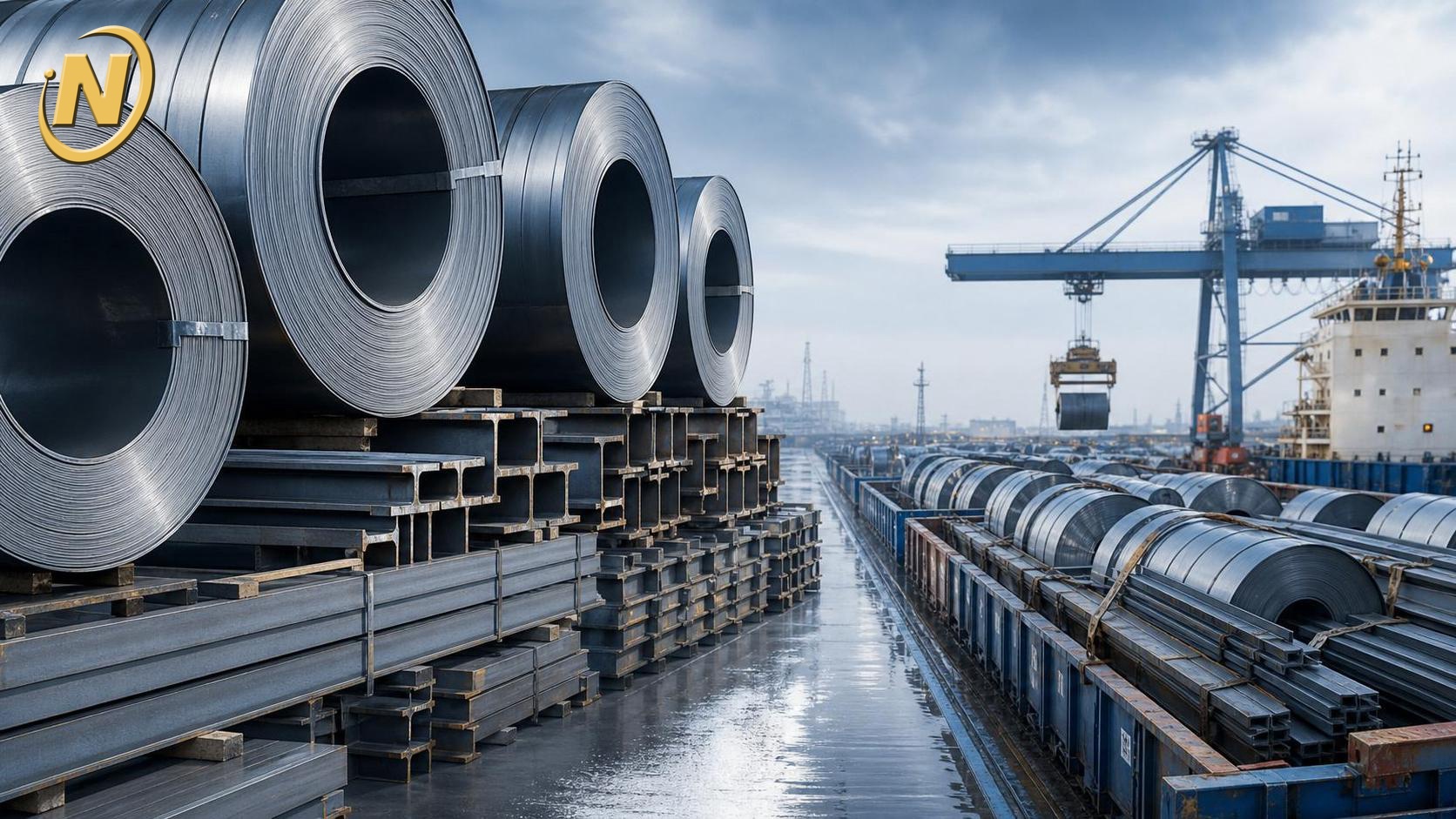
On July 3, 2026, the U.S. Department of Commerce announced an expedited sunset review of the anti-dumping order covering hot-rolled steel coil (HRC) from China. The review does not itself change the current duty structure, but it directly reopens the question of whether the anti-dumping measures imposed in 2021, with rates ranging from 12.5% to 268.8%, should remain in place after July 2027. For exporters serving the U.S. market, overseas distributors, importers, and downstream processors handling hot-rolled sections, structural steel, or related fabricated products, this is a rule-driven development with immediate implications for cost planning, origin compliance, and supply continuity.
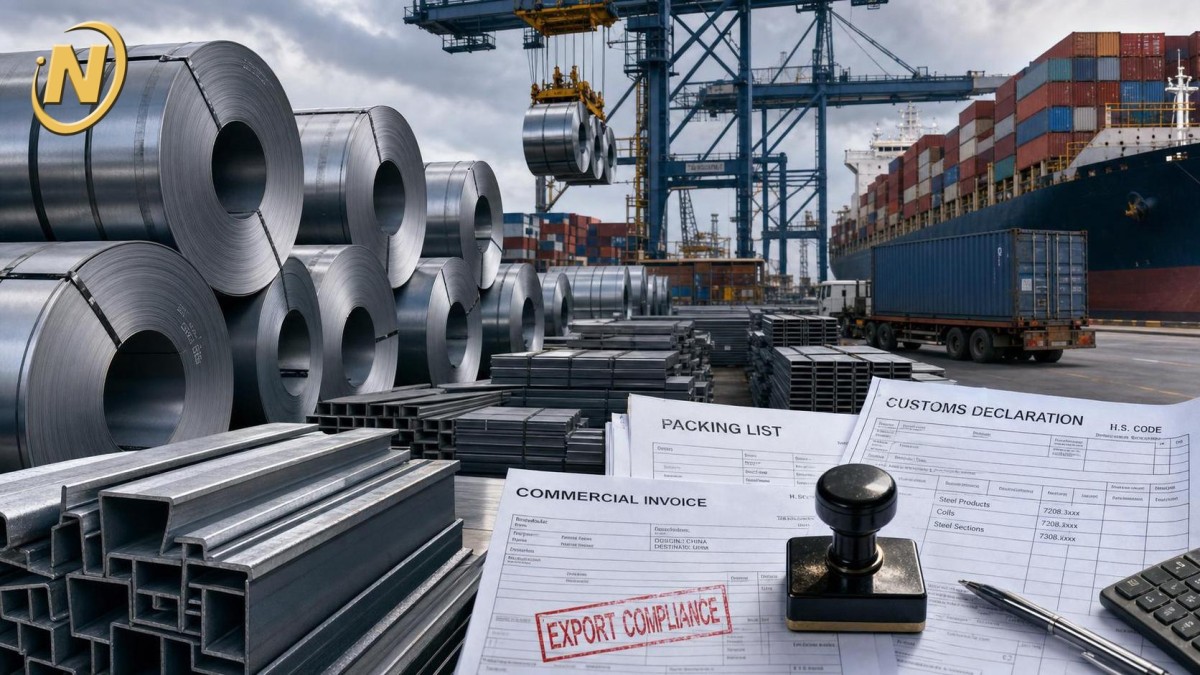
What the announced review confirms
The confirmed facts are limited and clear. The U.S. Department of Commerce formally initiated the first expedited sunset review of the anti-dumping duty order on hot-rolled steel coil from China on July 3, 2026. The review concerns the anti-dumping rates established in 2021, which are currently stated at 12.5% to 268.8%. Its stated purpose is to determine whether those duties will continue beyond July 2027. The event summary also indicates that this development creates direct compliance and cost exposure for overseas distributors and importers involved in exports to the United States of hot-rolled sections, structural steel, and downstream processed products, making it necessary to assess alternative supply options or origin compliance routes in advance.
Where the pressure may appear across the supply chain
Exposure for U.S.-facing exporters and trading parties
From an industry perspective, the most immediate effect falls on companies whose business depends on shipments tied to the U.S. market. Their risk is not limited to pricing. It also extends to contract structure, margin assumptions, and whether product scope, origin declarations, and shipment planning remain aligned with trade compliance requirements while the review is underway. What deserves closer attention is whether current commercial arrangements assume continuity or expiration of duties after July 2027, because that assumption can affect negotiations taking place well before the review reaches its practical outcome.
Pressure on importers and overseas distribution channels
Importers and overseas distributors may face exposure at the point where landed cost, customs treatment, and resale commitments intersect. Analysis shows that even before any final continuation decision is known, these parties may need to recheck supplier origin documentation, assess replacement sourcing scenarios, and review whether product categories linked to hot-rolled steel inputs create indirect trade risk. The compliance issue here is not only the duty rate itself, but the need to keep sourcing and documentation consistent with the trade path used into the U.S. market.
Implications for processors using hot-rolled inputs
For processors and fabricators supplying hot-rolled sections, structural steel, or downstream goods, the issue may surface in procurement and delivery planning. Observably, these businesses may need to verify whether their upstream material strategy could expose them to higher cost volatility or origin-related review pressure in U.S.-bound transactions. This can affect supplier qualification, production scheduling, and order acceptance for business that depends on predictable import cost treatment.
Knock-on effects for procurement and supply-chain coordination
Buyers and supply-chain service providers may also need to pay closer attention to lead times, sourcing flexibility, and document flow. Where contracts, tenders, or customer requirements involve U.S.-linked delivery, companies may need to examine whether procurement terms, technical files, and origin records are strong enough to support later review or audit needs. The event is therefore relevant not only to steel traders, but also to logistics, sourcing, and contract-management teams operating around U.S. delivery commitments.
What companies should examine now
Recheck origin and transaction documentation
Analysis shows that companies should first review the documents that support origin claims and transaction consistency, especially where Chinese-origin HRC is part of the supply path. The practical issue is whether existing files are complete enough to support customs, customer, or internal compliance review if scrutiny increases around U.S.-bound trade.
Stress-test sourcing alternatives before 2027 decisions
It is more appropriate to understand this stage as a planning window rather than a final outcome. Companies exposed to U.S. demand may need to compare substitute supply arrangements, alternate procurement channels, or different origin structures in advance, because waiting for a later decision could compress response time across purchasing and delivery cycles.
Review contracts, quotations, and delivery assumptions
What deserves closer attention is whether current quotations, long-cycle orders, and supply agreements assume a change or no change after July 2027. Businesses may need to revisit cost-sharing terms, validity periods, and delivery commitments where anti-dumping exposure could alter commercial performance.
Watch official wording and market execution signals
The input does not provide detailed implementation language beyond the review launch itself, so companies should avoid treating the event as a completed policy outcome. Instead, attention should remain on later official wording, compliance interpretations, customer procurement adjustments, and any shifts in tender or sourcing requirements that reflect how the review is being absorbed by the market.
Why this matters as a regulatory signal
Observably, this development is best read as a live enforcement and policy-continuity signal rather than a completed rule change. The review confirms that the anti-dumping framework on Chinese HRC remains active and subject to formal continuation assessment. Analysis shows that the market impact begins before any final post-2027 determination, because companies often need to make sourcing, pricing, and delivery decisions well ahead of the legal endpoint. That is why continued monitoring matters: not because the final answer is already known, but because compliance-sensitive trade flows tend to adjust early when regulatory uncertainty is reopened.
How the market may need to frame this event
At this stage, the announcement should be understood as a procedural development with operational consequences. It confirms that the continuation of anti-dumping duties after July 2027 is under review, and it gives affected market participants a reason to reexamine cost exposure, sourcing resilience, and origin compliance now. A neutral reading is more appropriate than a definitive one: the review has started, the current duty framework remains relevant, and the larger significance lies in the need for companies to prepare for a regulatory outcome that is still pending.
Basis of this article and points still requiring verification
This article is based on the user-provided news title, event date, and event summary. For developments of this kind, commonly relevant source types may include official announcements, releases from regulatory authorities, customs or trade administration information, industry association updates, standard-setting documents, and reporting from established media outlets. No specific official source link was provided in the input, so the underlying official publication path still requires ongoing verification. Further observation is also needed on later policy detail, implementation wording, compliance interpretation, tender-document changes, market feedback, and how affected companies adjust their trade and sourcing practices.
By clicking 'Allow All', you agree to the storage of cookies on your device to enhance site navigation, analyze site usage and assist with our marketing efforts. Coo Cookie Notice