


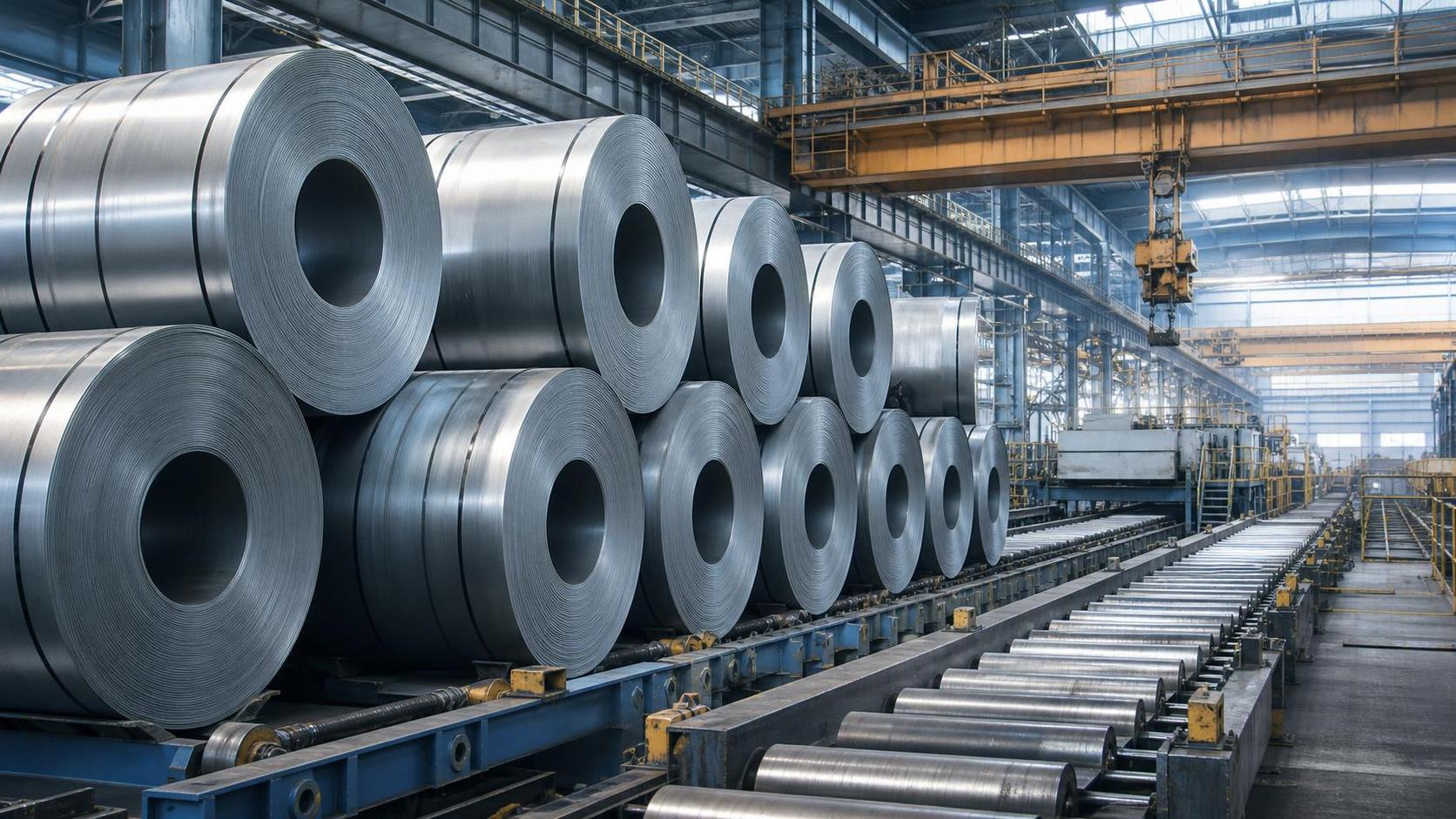
On August 13, 2026, market updates showed that Nucor, the largest steelmaker in the United States, had raised hot-rolled coil prices for a third straight week. The move points to tighter North American supply and stronger raw-material cost pressure, and it is now drawing close attention from exporters selling into the U.S. and Canadian markets, along with importers and distributors that need to reassess pricing, delivery timing, and contract terms.

What the latest price move confirms
The confirmed fact is straightforward: Nucor has increased hot-rolled coil prices for three consecutive weeks. The latest update also indicates that North American domestic supply is tightening while input costs are rising. For overseas sellers, especially Chinese exporters targeting the U.S. and Canadian markets, this changes the commercial context for quotations, shipment planning, and negotiations over FOB and CIF terms.
Where the pressure may be felt along the chain
Exporters selling into North America
For direct exporters, a stronger U.S. price signal can alter the reference point used in negotiations. That may affect quoted levels, order timing, and the room available for freight and delivery-term discussions. The practical issue is not just price, but whether existing sales plans still fit the current market window.
Importers and distributors
Importers and overseas distributors need to reassess landed cost and arrival schedules. The update also puts alternative sources such as Southeast Asia and the Middle East back under scrutiny, but those options must be checked for transit time and compliance certification before any supply switch is made.
Supply-chain and documentation teams
What deserves closer attention is the gap between a potential source shift and an executable shipment. If a buyer changes origin, the real constraints are often lead time, document readiness, and certification status rather than headline price alone.
What companies should watch next
Recheck quotation logic
Exporters serving the U.S. and Canadian markets should review how current quotations reflect the latest North American price direction, especially where sales terms still leave room for freight and delivery adjustments.
Compare replacement supply with delivery reality
Importers considering alternative origins should verify arrival schedules, compliance papers, and shipment feasibility before committing. A cheaper source is not useful if the transition itself delays delivery.
Keep contract terms aligned with market movement
FOB and CIF discussions may become more sensitive while domestic U.S. pricing stays firm. Businesses should review how current clauses handle timing changes, cost allocation, and delivery obligations.
How to read this signal
Analysis shows this is best understood as a short-term market signal with broader operational implications, not a finished trend with a fixed endpoint. It reflects current pricing pressure in the U.S. hot-rolled coil market, but the more important question is how long the supply and cost conditions persist, and whether buyers can shift sourcing without disrupting compliance or delivery.
What this means for procurement planning
For now, the key takeaway is disciplined observation. Buyers, distributors, and exporters should treat the latest Nucor move as a reason to tighten pricing checks, review lead times, and validate fallback sources. The event is significant because it directly affects commercial negotiation space, but it should still be monitored as an evolving market development rather than treated as a final outcome.
Source note and follow-up
This article was generated based on the user-provided title, event date, and summary. Typical source types for this kind of update include company announcements, industry association updates, official market notices, and reputable media coverage. A specific official source link was not provided in the input, so it should continue to be verified in follow-up monitoring.
By clicking 'Allow All', you agree to the storage of cookies on your device to enhance site navigation, analyze site usage and assist with our marketing efforts. Coo Cookie Notice